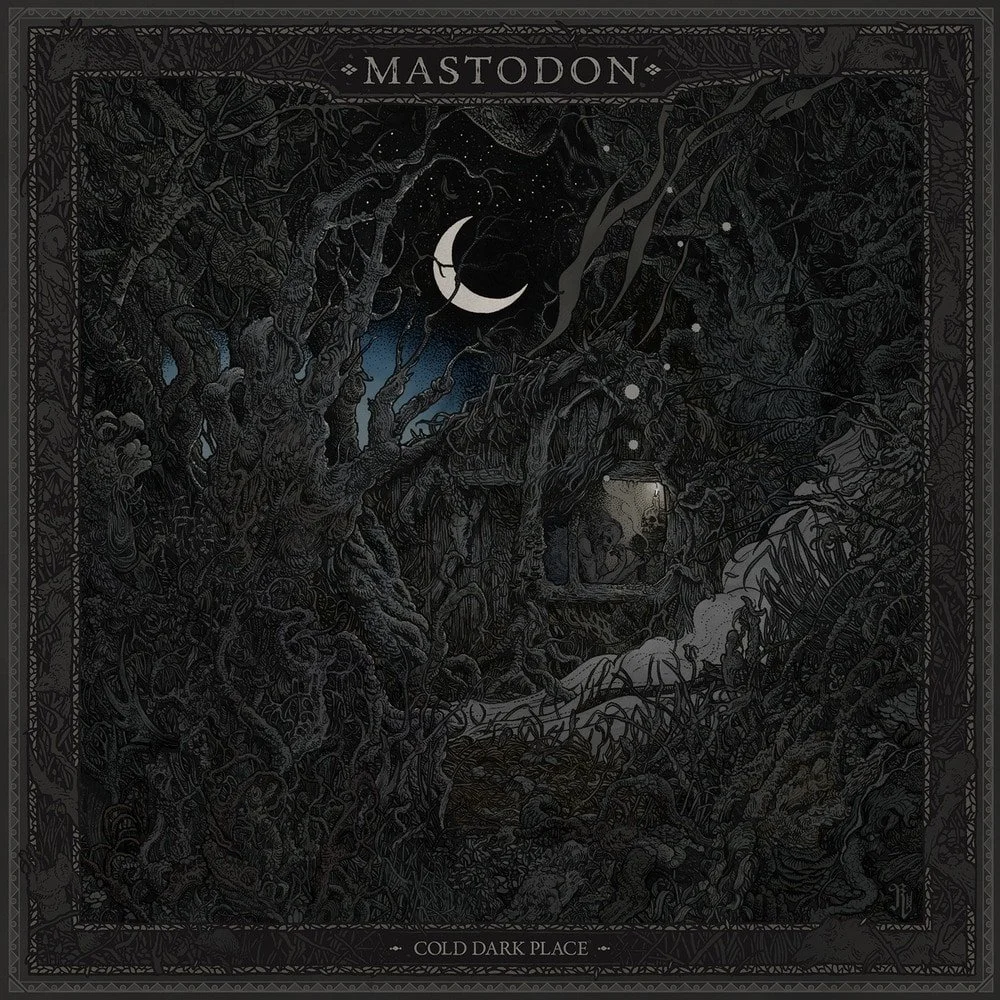
Cold Dark Place


Sometimes we're alone. The cold air turns our breath to smoke in the moonlight and we ruminate about being temporarily away from the people we love. I had to prepare our usually sunny, warm and busy place for its long winter sleep, so in the daylight hours, I worked. As it grew darker and colder, I'd have a hot bowl of soup, layer-on the sweaters and long-johns and sat by myself in a cold dark place. Not necessarily tormented or anguished, but mindful of the approaching frigid season that I generally dislike, and how as Canadians, we're forced to adapt to a carousel of varied weather & climate throughout the year.

The nighttime soundtrack was a textured and haunting 4-song EP by the mighty Mastodon. I highly recommend.

Go it solo when you get the chance.

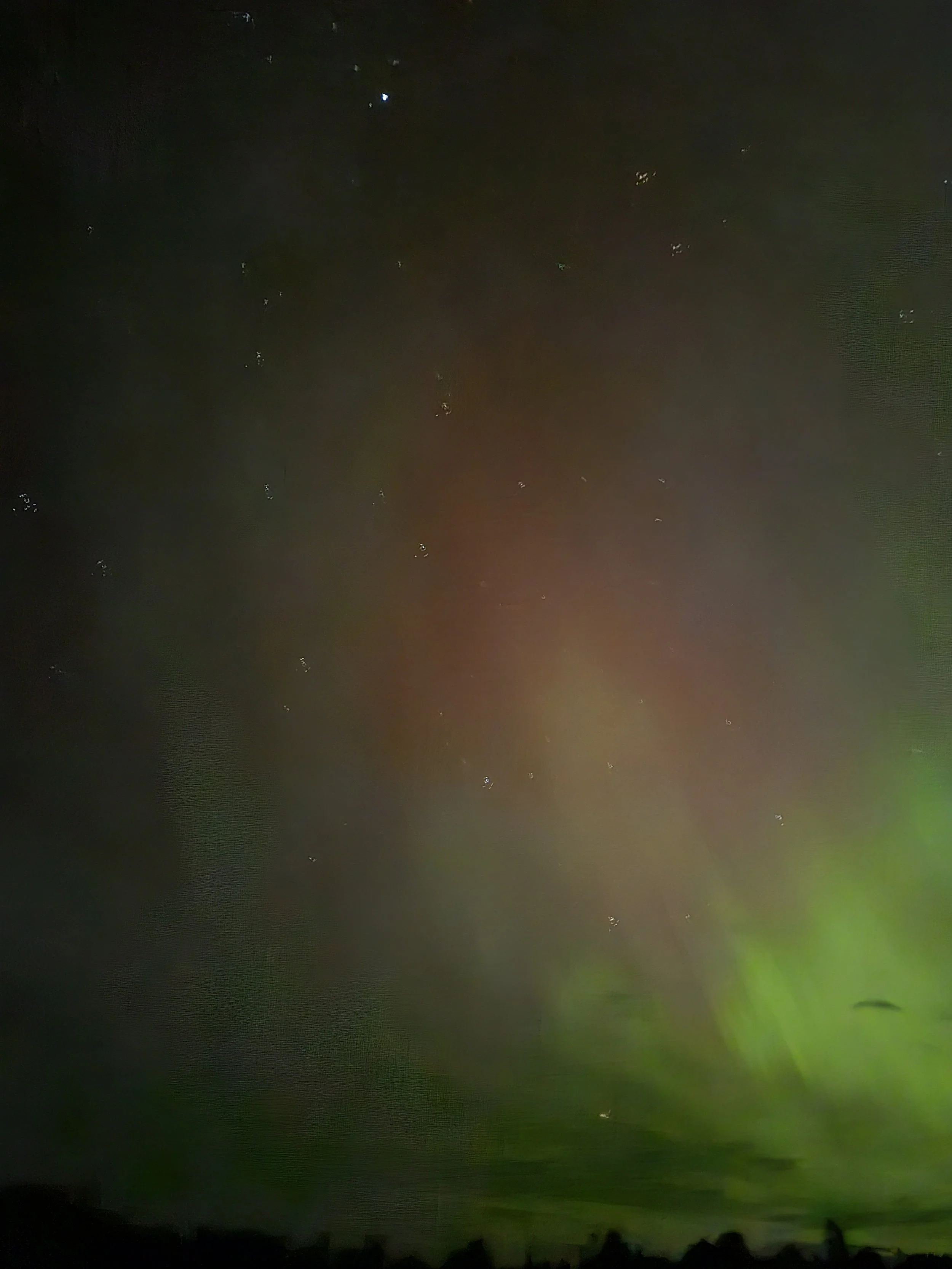
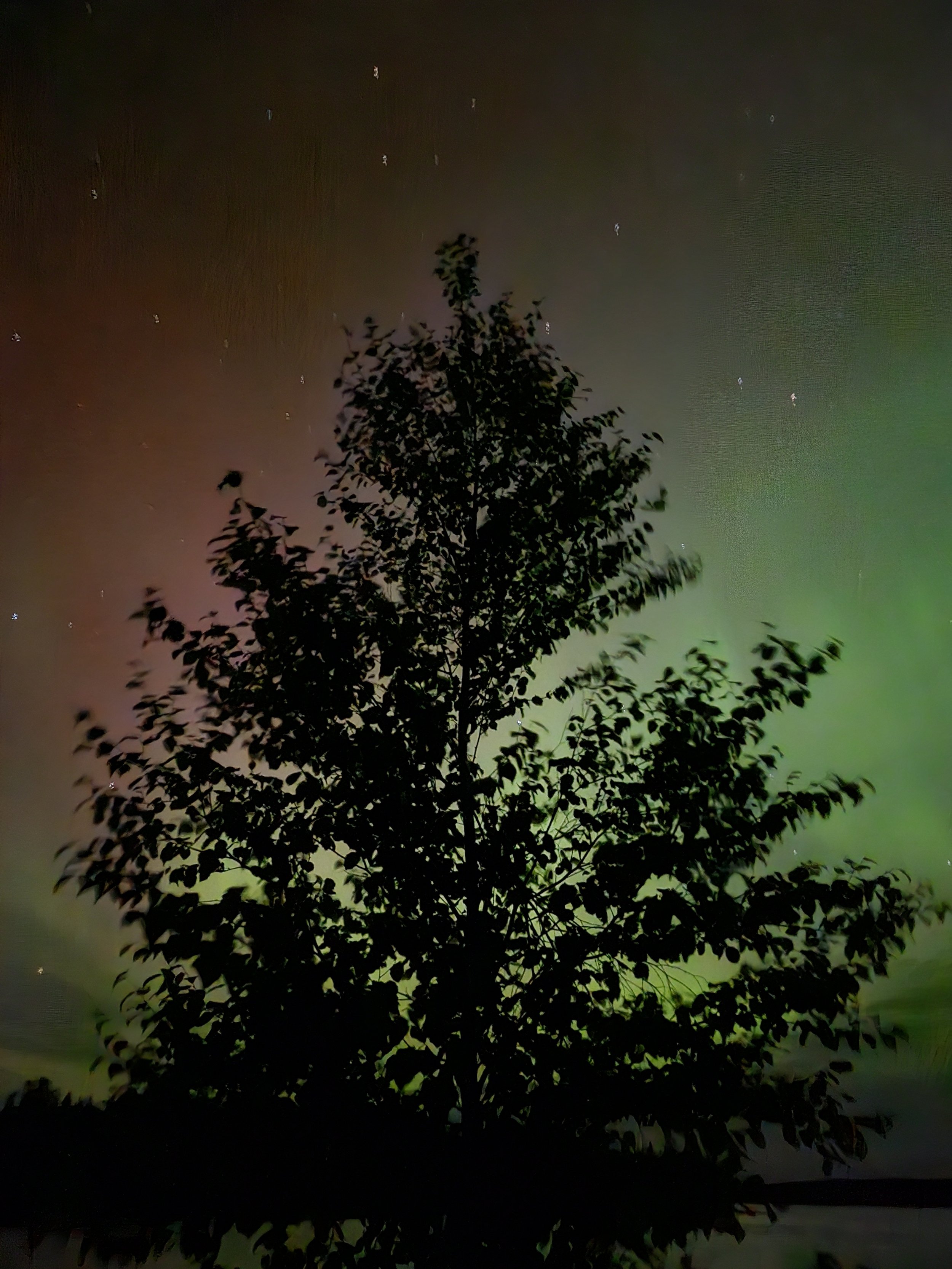
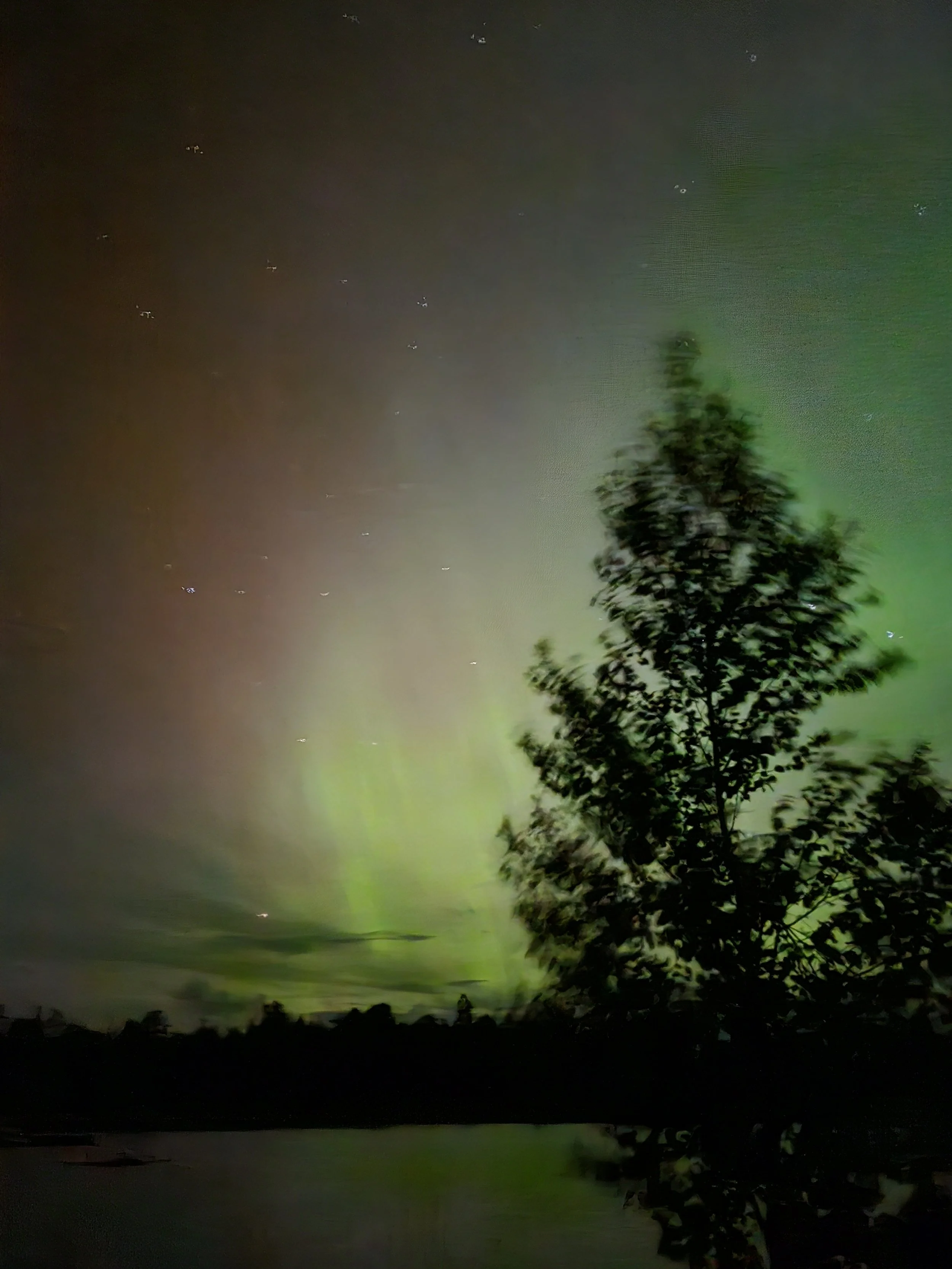
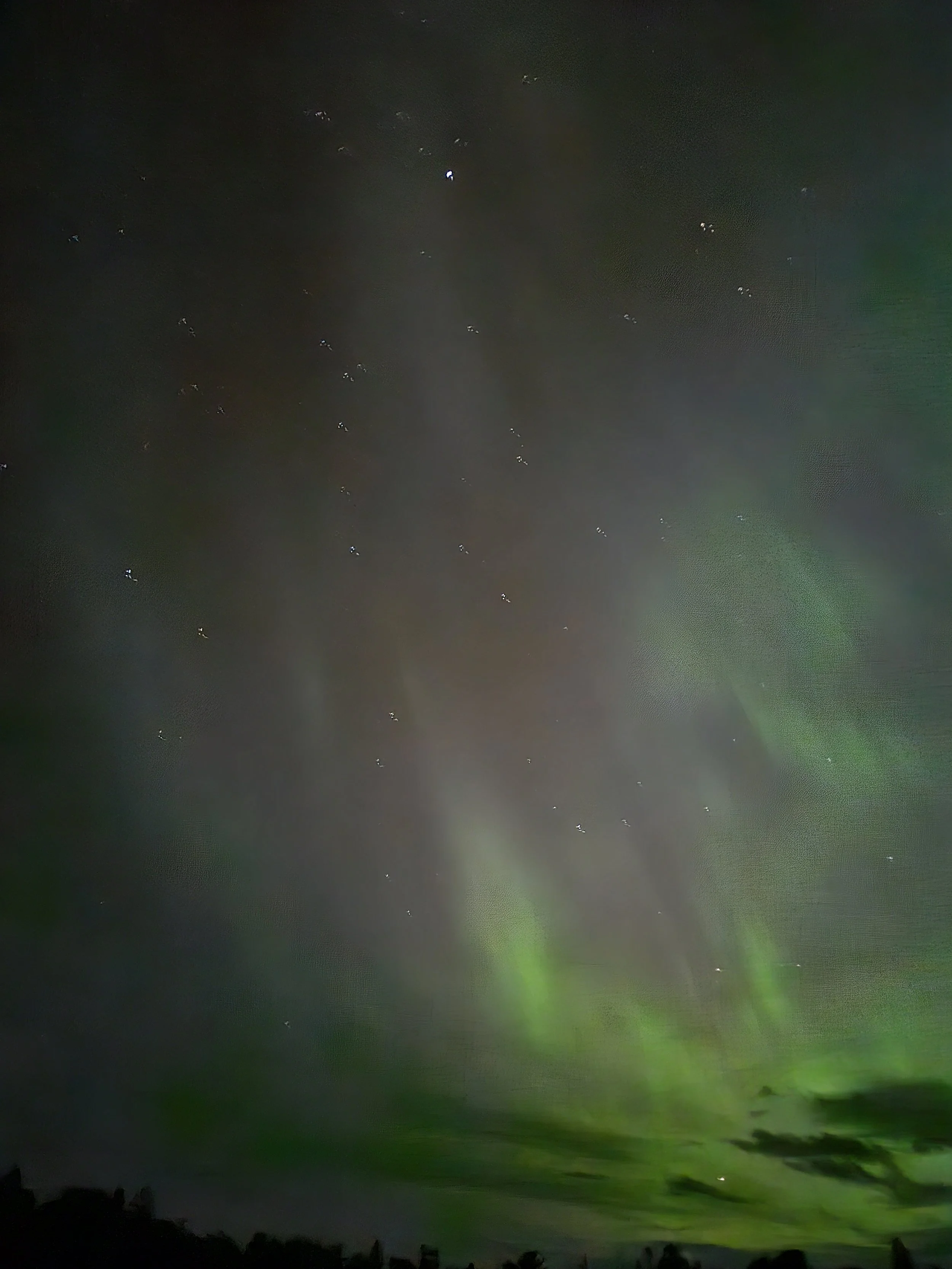
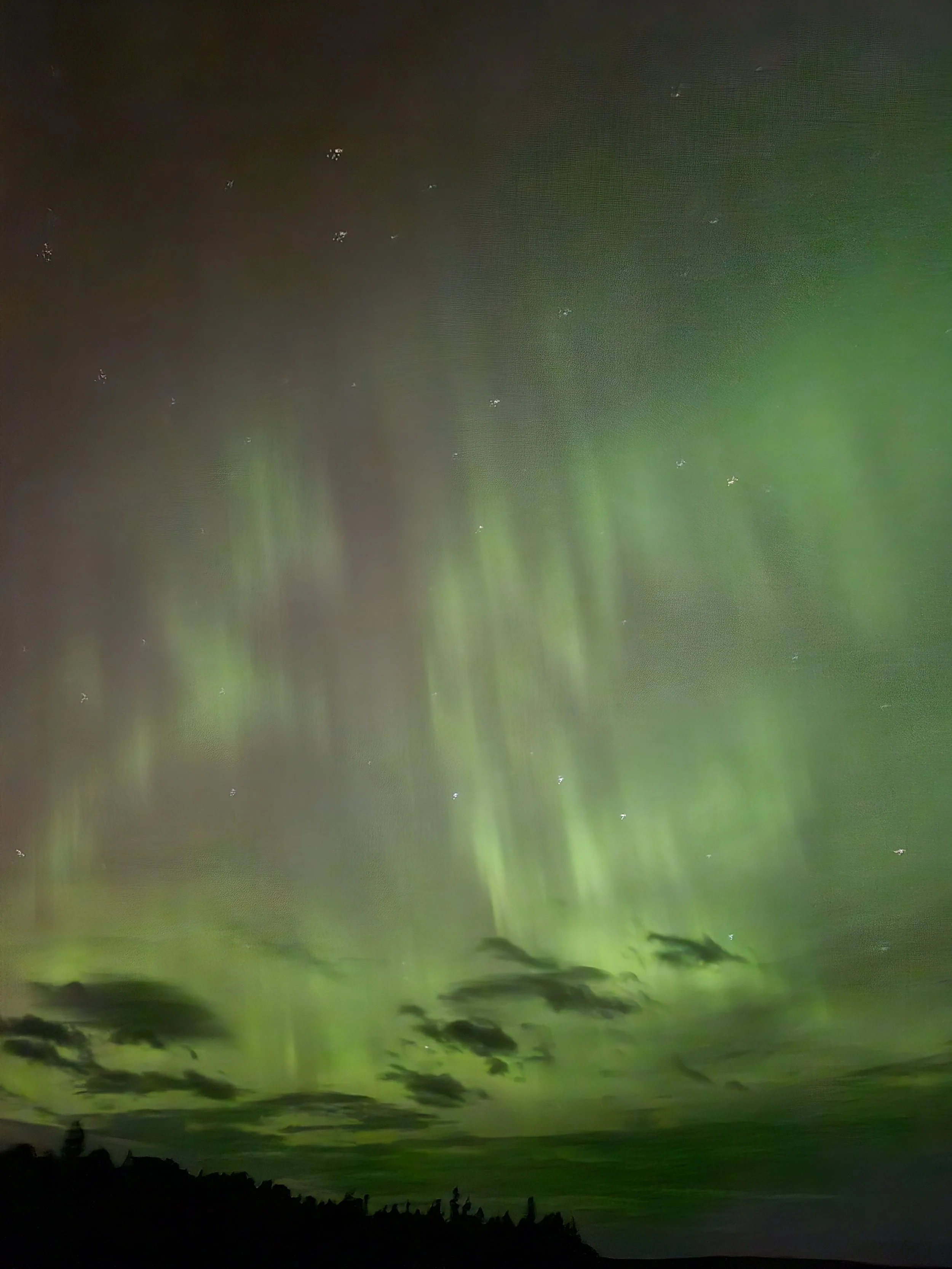
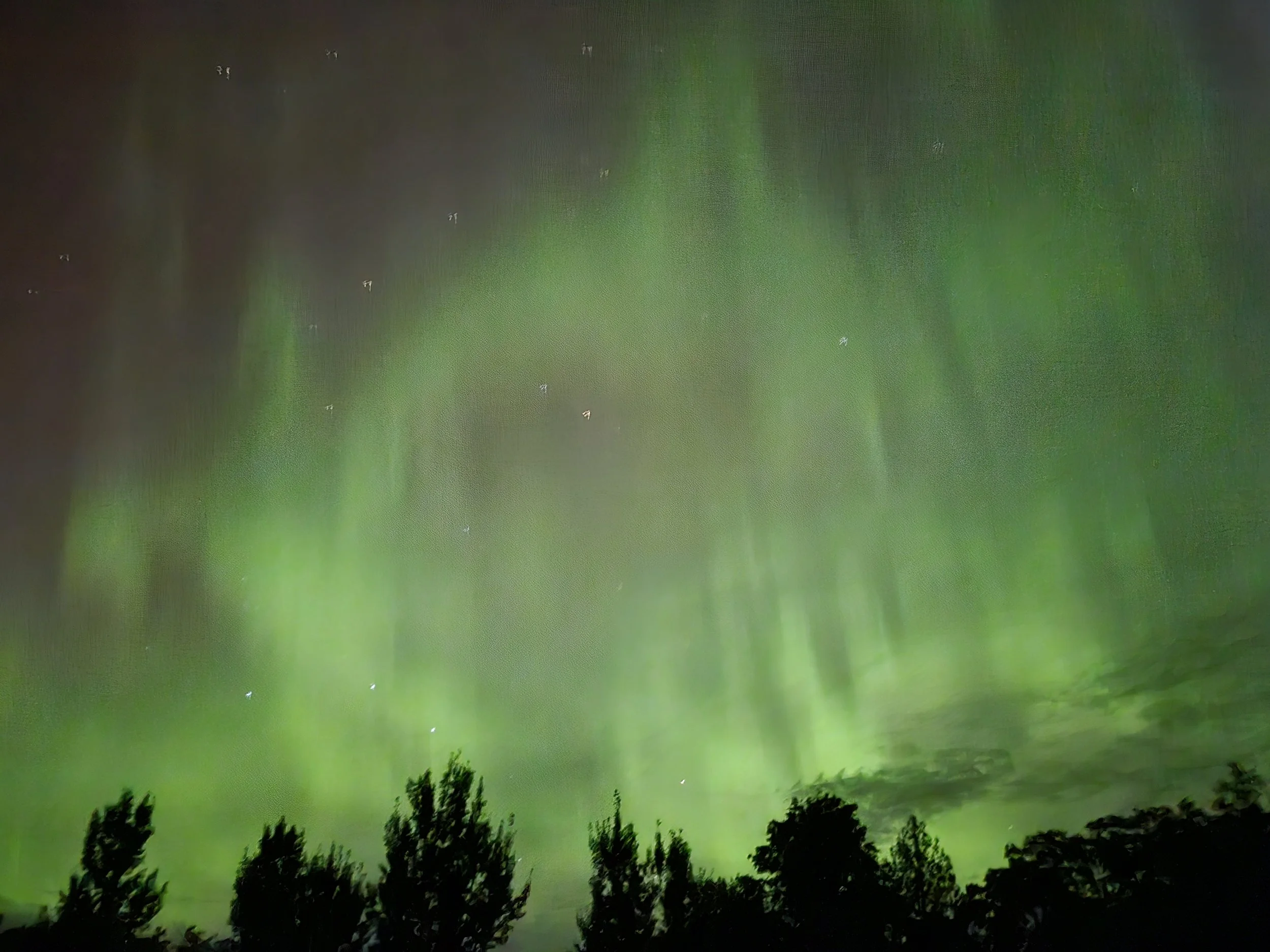
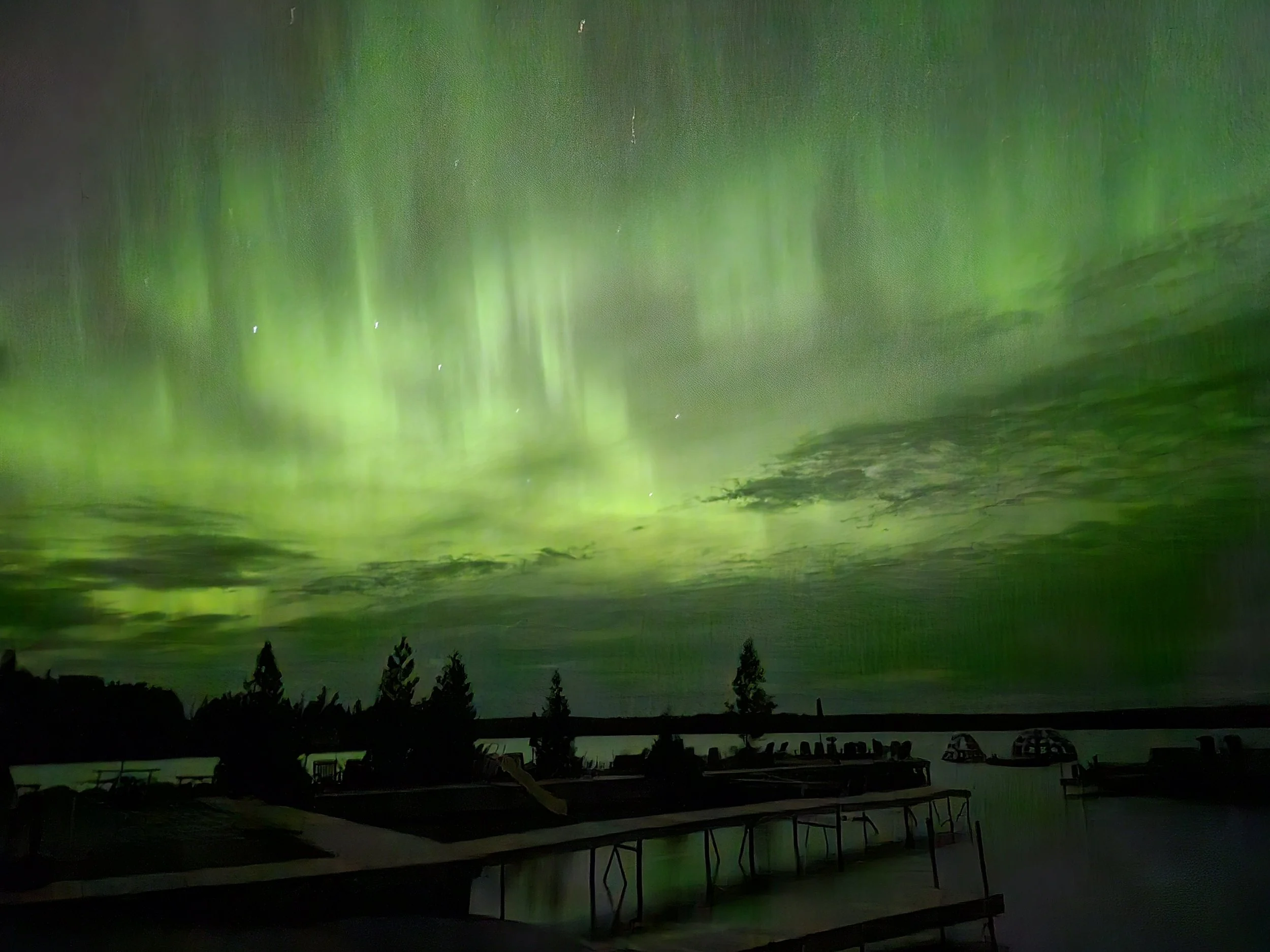
Aurora Borealis

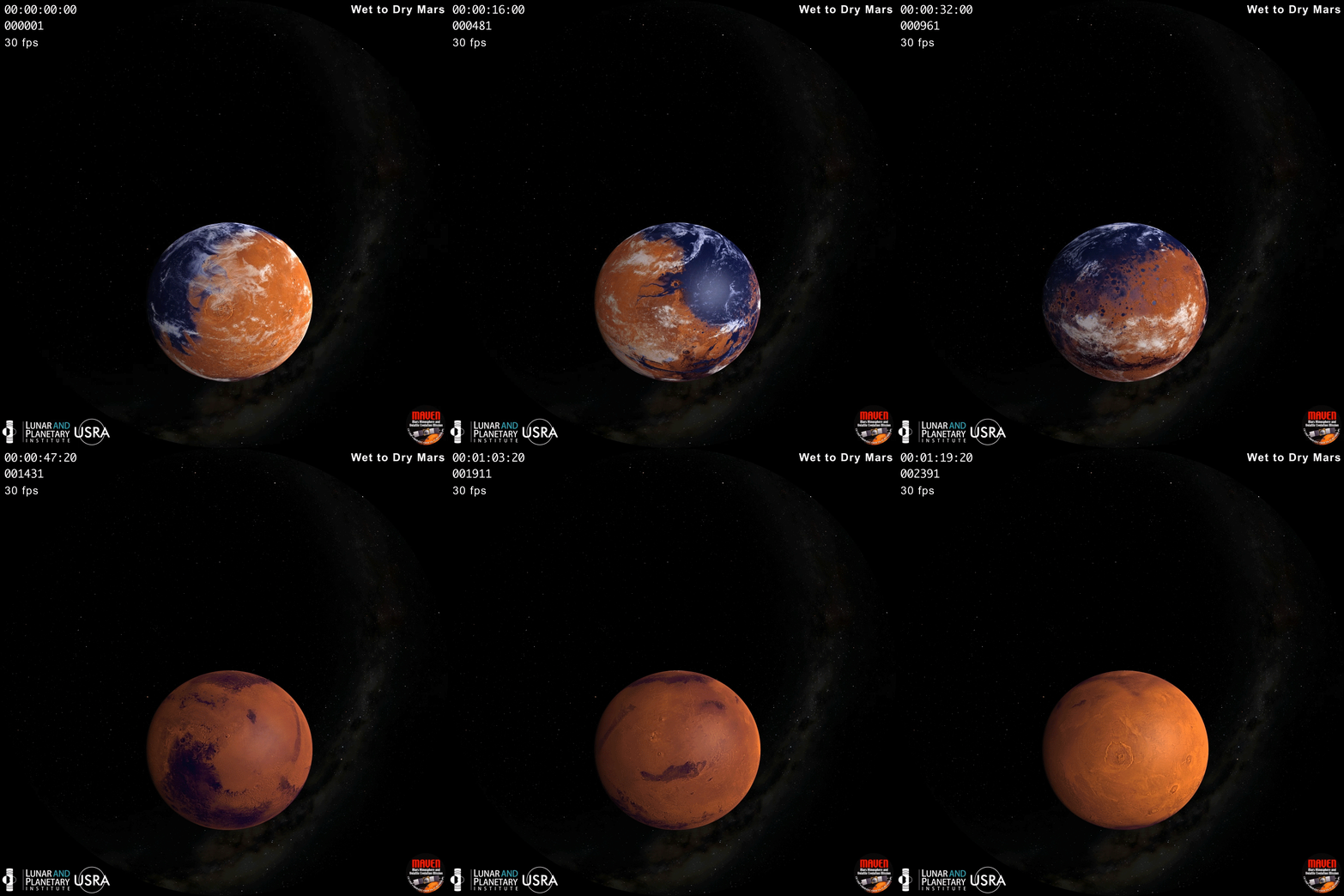
Scientists have determined that Mars was once a water world like earth.

Around 4 billion years ago, the red planets' molten metal core shut down or exhausted itself. That churning metal core is what powered the magnetic field around Mars and as its core cooled, solar wind and high-energy particles from the sun slowly stripped away Mars' atmosphere. As its atmosphere thinned and the pressure dropped, and all of that Martian water evaporated into space, leaving Mars as the cold, dry desert planet it now is.

Here on Earth, when we look up at the night sky in places free from light pollution from cities, we see the Northern Lights - in essence, a beautiful visual indicator that our planets' metallic core is alive and the magnetic field around us - protecting us - is working.

As Captain Jean Luc Picard from Star Trek TNG often remarked: 'Shields Up'

.gif credit to Universities Space Research Association as well as the Lunar & Planetary Institute